

Capturing Atmosphere in Restaurant Branding
Transforming Danish Bakery’s Brand Identity: Redorange’s Modern Revamp
Crafting a Bold & Memorable Brand Image for Danish Bakery
Preserving Legacy, Embracing Modernity: Our Brand Approach
In today’s culinary landscape, where dining experiences are not just about food but about storytelling and ambiance, restaurant branding plays a pivotal role. It’s the secret sauce that sets apart a dining establishment, making it memorable and enticing to patrons. From the moment customers lay eyes on a restaurant’s logo to the last bite of dessert, every aspect of branding contributes to the overall experience. Let’s dive into the art of restaurant branding and explore how it can elevate a dining establishment to culinary stardom.
1. Defining the Essence:
Every successful restaurant brand begins with a clear understanding of its essence. What is the story behind the establishment? What culinary delights does it offer? Is it a cozy neighborhood bistro or a trendy, upscale eatery? Defining these core elements helps shape the brand’s identity and sets the stage for everything that follows.
2. Visual Identity:
The visual elements of a restaurant, including its logo, color scheme, and interior design, play a crucial role in conveying its personality and vibe. A well-designed logo can become instantly recognizable and evoke the emotions and experiences associated with dining at the establishment. Similarly, the interior design should reflect the brand’s identity, whether it’s rustic and charming or sleek and modern.
3. Consistency is Key:
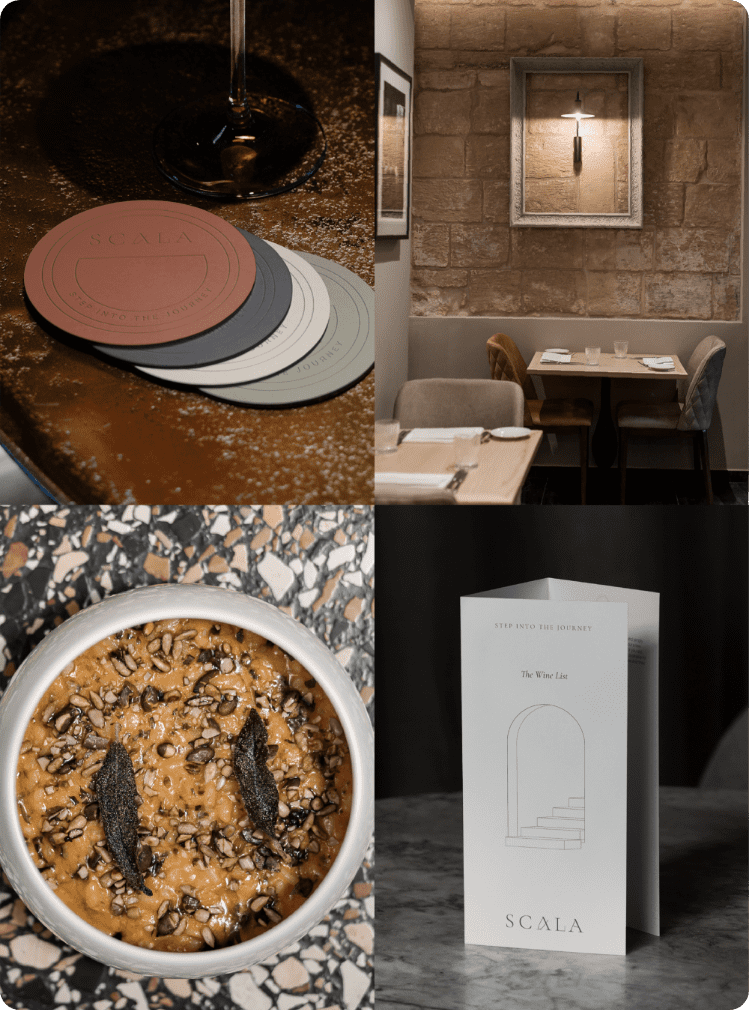
Consistency is essential in building a strong restaurant brand. From the menu design to the staff uniforms to the decor, every touchpoint should reflect the brand’s identity and values. Consistency helps create a cohesive and memorable experience for customers, reinforcing their connection to the brand.

4. Storytelling through Cuisine:
Food is at the heart of any restaurant, and it provides an excellent opportunity for storytelling. A restaurant’s menu should not only showcase its culinary offerings but also tell the story of its origins, inspirations, and values. Whether it’s a farm-to-table ethos or a fusion of global flavors, the menu should reflect the brand’s identity and philosophy.
5. Building a Community:
Successful restaurant branding goes beyond just attracting customers; it’s about building a community of loyal patrons. Social media and online platforms provide powerful tools for engaging with customers and fostering a sense of belonging. By sharing behind-the-scenes glimpses, interacting with followers, and soliciting feedback, restaurants can strengthen their brand and cultivate a dedicated following.
6. Evolving with the Times:
The restaurant industry is constantly evolving, and successful brands must be willing to adapt. Whether it’s embracing new culinary trends, updating the menu, or refreshing the branding, staying relevant is essential for long-term success. However, it’s crucial to maintain the core elements of the brand identity while evolving with the times.
7. Delivering on the Promise:
Ultimately, restaurant branding is about more than just aesthetics; it’s about delivering on the promise of a remarkable dining experience. From the moment customers walk through the door to the moment they leave, every interaction should exceed their expectations and leave them eager to return.
In conclusion, restaurant branding is an art form that requires careful attention to detail, creativity, and a deep understanding of the brand’s essence. By crafting a unique identity, maintaining consistency, and delivering exceptional experiences, restaurants can carve out a special place in the hearts and minds of diners, ensuring their success for years to come.